


Embracing Negotiation in Art Sales: Insights from a Veteran Gallerist
Today I want to share some valuable insights into a critical aspect of the art world – negotiation and discounts. Having been in the gallery world since 1993, I’ve honed the art of negotiation, an integral part of my sales process. Through this post, I aim to demystify negotiation and discuss how it can be a powerful tool for artists.
Negotiation: A Controversial yet Essential Tool
It’s not uncommon for artists and gallerists to have mixed feelings about negotiation. Some view it as undermining the value of art, while others see it as a necessary part of the sales process. My perspective, shaped by decades of experience, is that negotiation, when used effectively, can significantly benefit artists.
Preparing for Negotiation: Setting the Stage
The success of negotiation often hinges on preparation. It’s crucial to have a clear understanding of your pricing structure and the maximum discount you can offer without affecting your profitability. A buffer of around 20% is a good starting point. This approach not only ensures your comfort during the negotiation but also protects the value of your art.
The Negotiation Process: A Client-Centered Approach
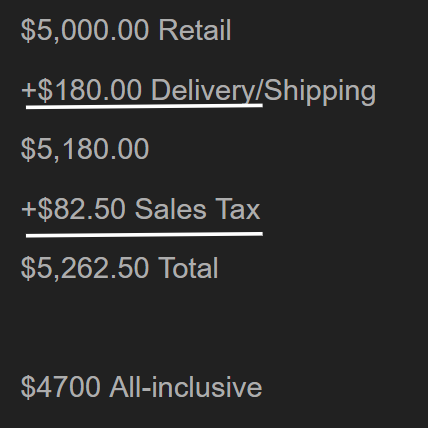
In most art sales, negotiation is initiated by the client. This interaction is an opportunity to showcase your sales skills and understand the client’s perspective. When a client inquires about pricing flexibility, it’s essential to have a well-thought-out response. A written offer outlining the retail price, additional costs, and the discounted price can be a powerful tool in concluding a sale successfully.
Implementing Discounts and Promotional Sales
Discounts and promotional sales are often used proactively to encourage art purchases. While they can be effective, it’s important to use them judiciously to avoid creating an impression of constant low pricing. Instead, focus on special occasions or slower sales periods to offer these incentives. Additionally, offering incentives like free shipping can sometimes clinch a deal without needing to lower the artwork’s price.
Balancing Full Price Sales and Negotiations
The ultimate goal is to sell art at the highest price possible. Remember, most sales will likely happen at full price. Negotiation should be viewed as a tool to increase sales volume without significantly impacting profitability. The key is to strike a balance between protecting the value of your art and being flexible to close more sales.
Practical Tips for Artists
- Build a Buffer: Include a reasonable buffer in your pricing to allow for negotiation without compromising your profit margin.
- Be Prepared: Have a clear strategy for how you will handle negotiation requests.
- Use Written Offers: When negotiating, present a written offer to the client showing the original price, additional costs, such as tax or shipping expenses, and the discounted price.
- Offer Incentives Judiciously: Use discounts or special offers strategically, focusing on slower sales periods or special occasions.
- Maintain Value: Aim to sell at full price whenever possible, using negotiation as a tool to increase sales volume rather than as a primary sales strategy.
- Stay Professional: Remember, negotiation is a standard business practice. Don’t take it personally.
Conclusion
Negotiation and discounts are nuanced aspects of the art selling process. By understanding and mastering these elements, you can enhance your sales strategy, ensuring both profitability and client satisfaction.
I invite artists to share their experiences and perspectives on negotiation and discounts. How have you navigated these aspects in your art sales? What strategies have worked for you? Share your experience in the comments below.