

Few questions stir more debate among artists than whether to sell limited or open editions of prints and photographs. Both approaches carry benefits and drawbacks, and both can work in the right context. But the choice you make will shape not only your pricing strategy, but also the long-term earning potential of your most popular images.
The Appeal of Limited Editions
The main attraction of limited editions is scarcity. By capping the number of prints available, you create urgency: collectors feel pressure to buy before the edition sells out. That scarcity can help justify a higher price point, and some buyers enjoy the idea that their print is one of only a handful in existence.
The downside is obvious: once the edition is gone, it’s gone. If you’ve set your limit at 12 or 24 and the image takes off, you’ve cut yourself off from potentially dozens—or even hundreds—of additional sales. What felt like a smart marketing move at the start may end up capping your career-defining image.
Why Open Editions Work
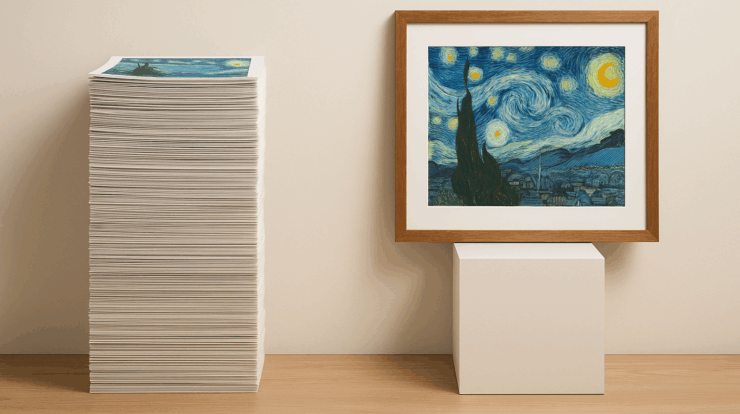
Open editions avoid that ceiling. If a particular piece resonates, you can keep producing and selling it until demand naturally tapers. Instead of 12 sales at $1,000 each, you might make 100 sales at the same price point—a massive difference in revenue.
In today’s market, most buyers aren’t focused on edition size. They’re responding to whether the image speaks to them, not how many others may own a copy. At Xanadu Gallery, we sell both limited and open editions, and the reality is that most collectors don’t ask or seem to care. They’re drawn to the image itself, the emotional connection, and how it will look in their space.
A Hybrid Approach: Retirement Instead of Limits
Some artists adopt a hybrid strategy: they sell open editions but retire images periodically. This creates a sense of urgency—buyers know a piece won’t be around forever—without capping sales at an artificially low number. Each new release comes with the added marketing angle of older works being phased out.
Consistency Matters
Whichever path you choose, commit to it. Once a collector has purchased under one model, changing the rules midstream erodes trust. If you’ve promised an edition of 12, you can’t later decide to release more. Likewise, if you’ve built your reputation on open editions, suddenly claiming scarcity can raise eyebrows.
As with many business choices in the art world, there’s no absolute right or wrong here. What matters is aligning your approach with your long-term goals, staying consistent, and building a model that maximizes both your sales and your integrity with collectors.