

Nike: Form Follows Motion is on view at New York’s Museum of Arts and Design, bringing five decades of the company’s design history into a museum setting. The exhibition opened on September 12, 2026, and continues through March 7, 2027.
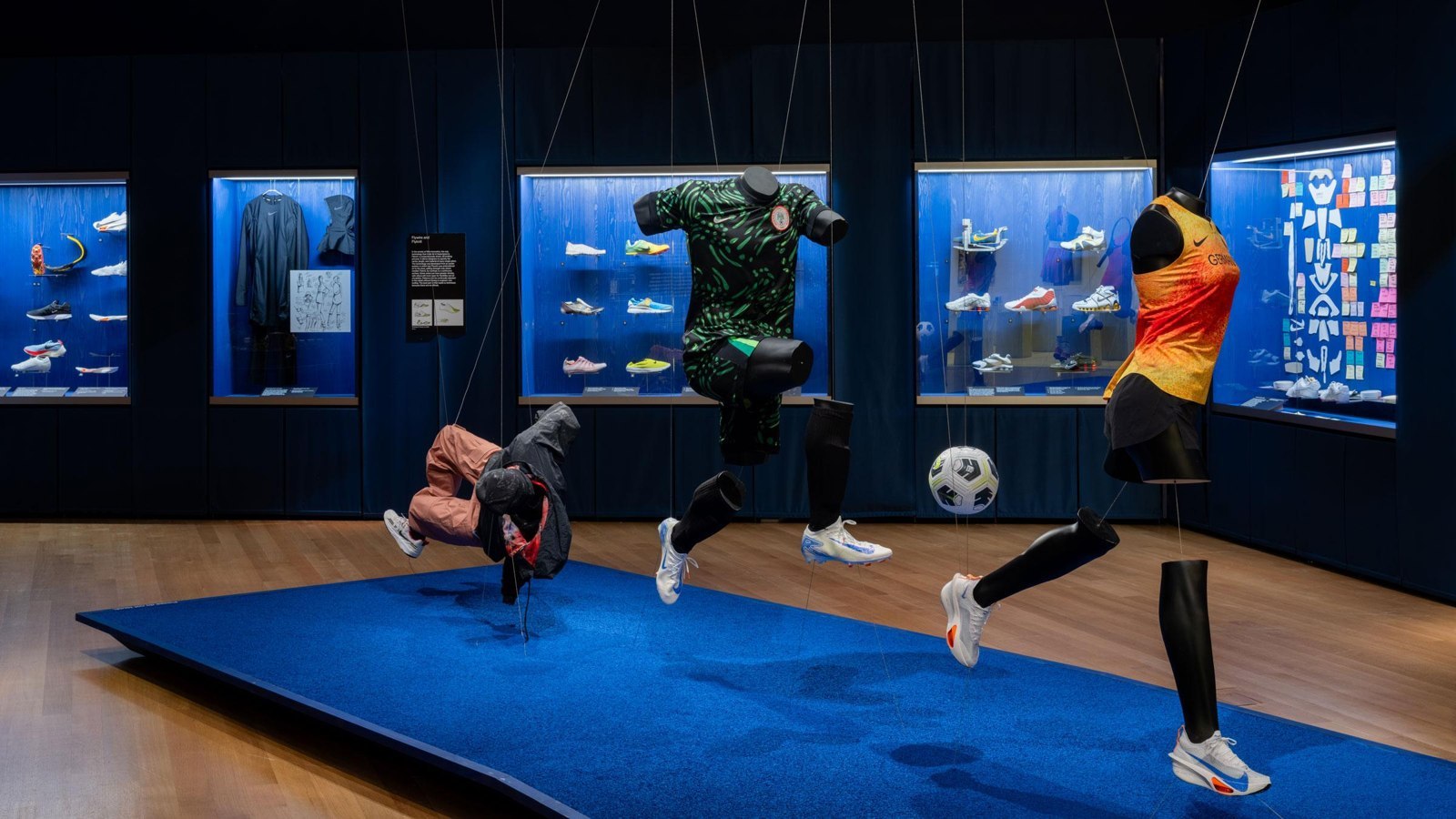
Drawing primarily from the Department of Nike Archives, the presentation includes experimental prototypes, original design studies, rarities and one-off pieces alongside well-known shoe collaborations. The emphasis is on making: the research and decisions through which an object takes shape before it enters everyday use.
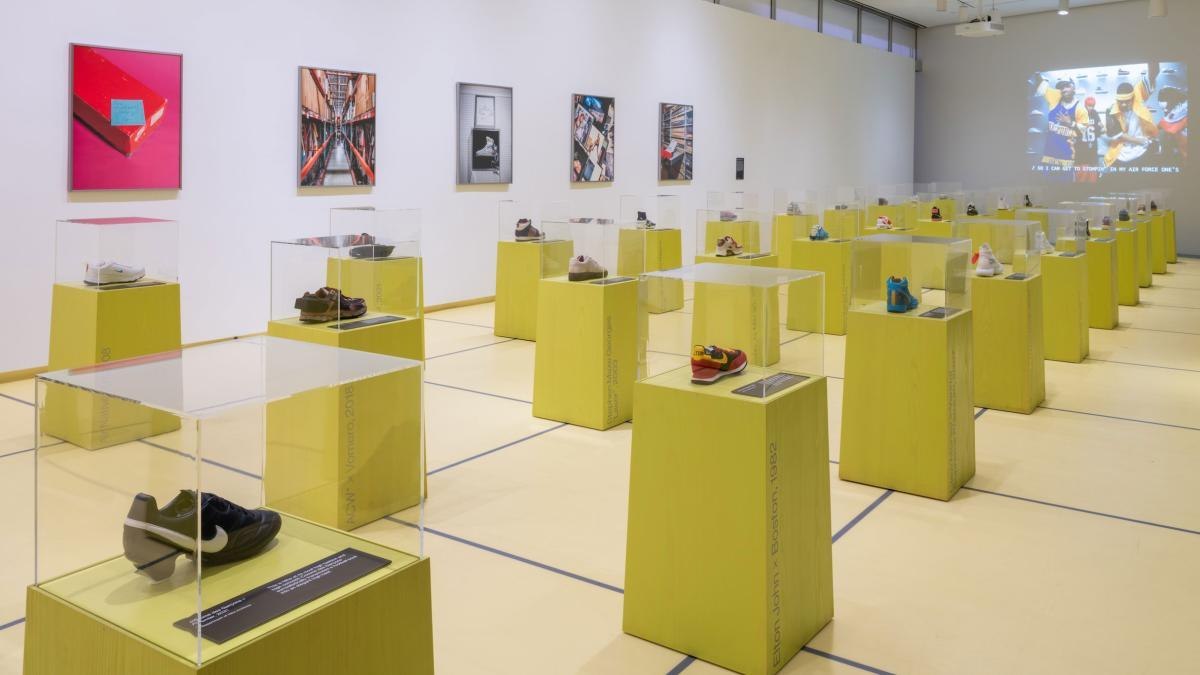
Organized by the Vitra Design Museum, the exhibition is curated by Glenn Adamson with assistant curator Marcella Hanika. JA Projects developed the exhibition design, while Daniel Streat of Visual Fields is responsible for the graphic design. Those credits extend the story beyond the products themselves to the way their history is presented.
An archive like this offers a different route into street culture. Shoes are designed around bodies in motion, then acquire further meanings through the people who wear them. An object can become familiar on a pavement, in a music scene or within a community long before its construction is examined in detail.
The prototypes are therefore a compelling starting point. They encourage questions that a finished release can conceal: which problem was the designer trying to solve, which materials were tested, and what changed before the object reached production? Looking at a study beside a familiar silhouette can make the gap between an idea and a usable design easier to understand.
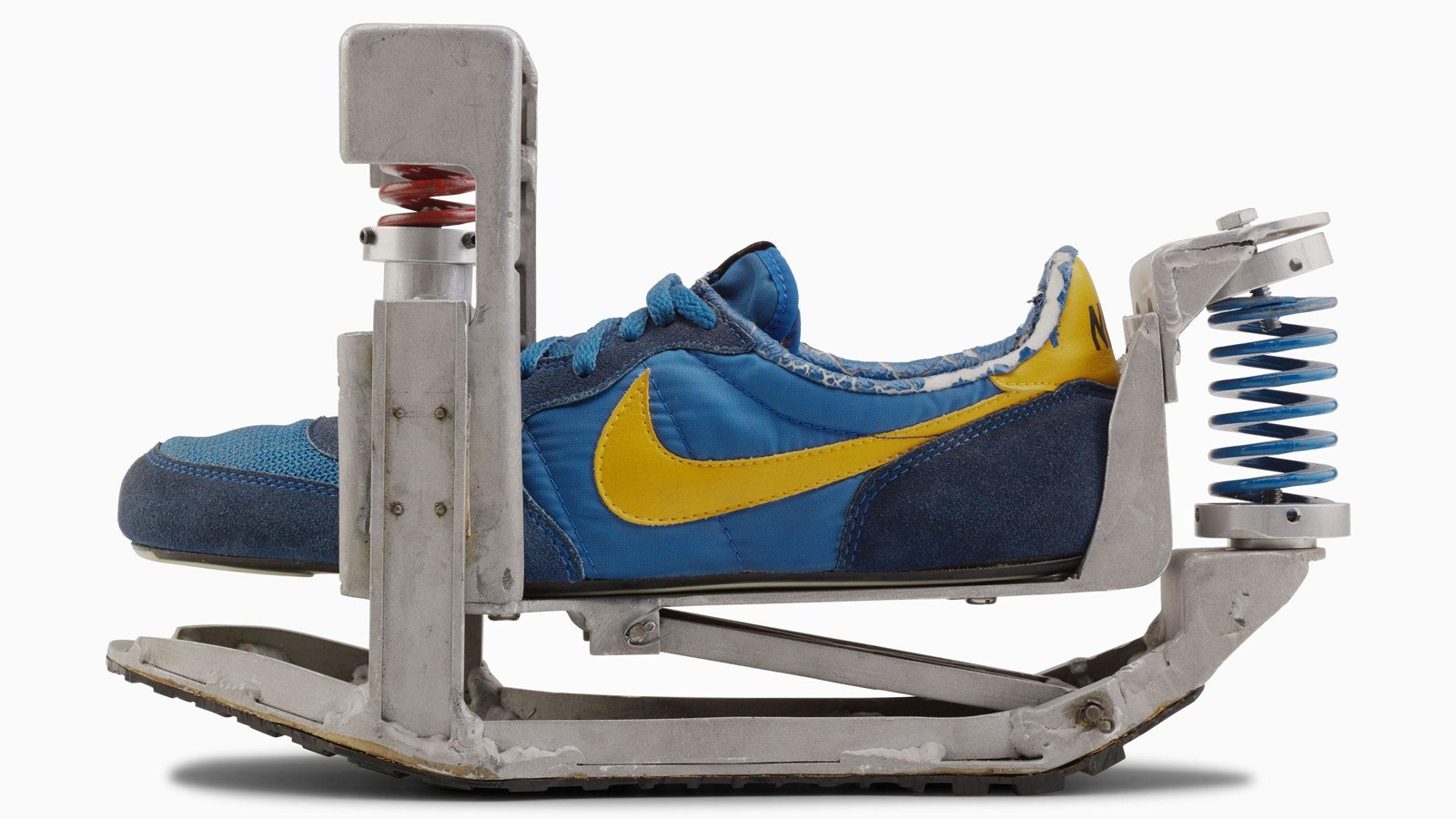
The same attention to process is useful when following an artist’s work. A completed wall or installation is the public result of choices made over time. Drawings and experiments reveal another part of that work, opening a conversation about how something was made rather than simply how it looks once finished.
MAD is located at 2 Columbus Circle in New York. Its official exhibition page provides ticket information and visitor details. Form Follows Motion offers a chance to revisit familiar objects through the studies, tests and material decisions that sit behind them.