

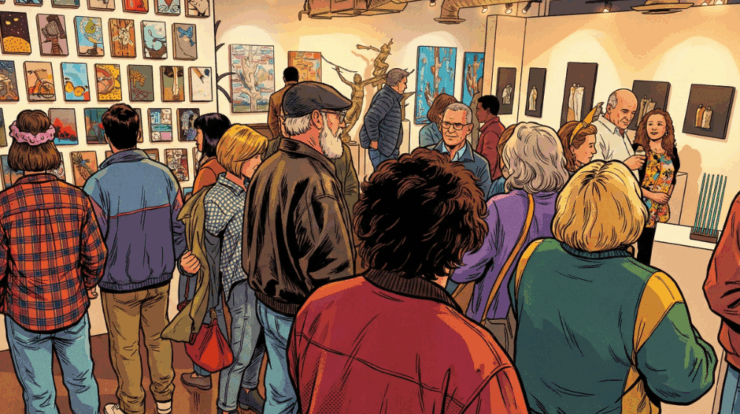
For many years, gallery events were one of the most reliable engines of the art business. Openings, receptions, seasonal celebrations, and art walks brought excited crowds through the doors and often produced strong sales. Artists who worked during the 90s and early 2000s remember show nights that routinely sold out—an atmosphere that felt electric, predictable, and commercially rewarding.
But the market has changed.
Buyers have changed.
And the role of events has changed with them.
Even on nights when foot traffic is still strong, events no longer guarantee the kind of sales surges they once did. They create energy and a sense of occasion, but they don’t consistently function as the primary driver of revenue.
Crowds Still Come—But Their Behavior Has Shifted
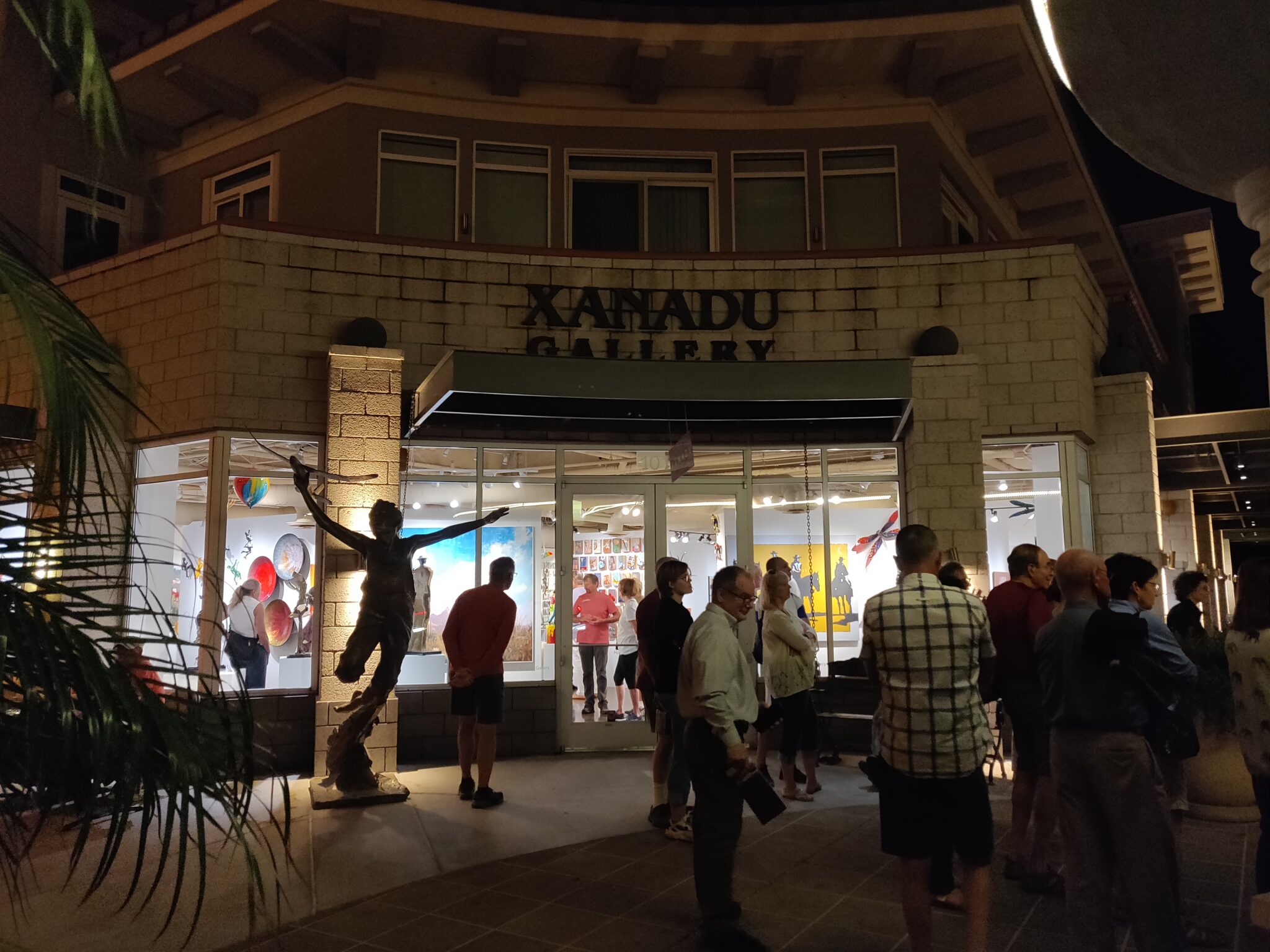
Event nights can still feel lively. People enjoy gathering, strolling, seeing new work, and experiencing the atmosphere of a gallery. But increased turnout does not always translate into immediate purchasing. Today’s collectors often browse during an event and buy later—online, by phone, or during a quieter follow-up visit.
The dynamic has shifted from “event = sales” to something more layered:
-
Events create visibility
-
They help maintain community presence
-
They spark conversations that may lead to future sales
-
They give collectors a chance to reconnect
But they no longer act as a reliable sales engine on their own.
Some shows still do exceptionally well, but that success almost always reflects the strength of the following the artist and gallery have already built—not the event itself.
A Necessary Mindset Shift
This shift has required an adjustment not only for galleries but for artists as well. Many artists who experienced the high-energy years of the 90s and early 2000s still carry expectations shaped by that era: packed openings, brisk sales, and a clear sense that “the event” was the centerpiece of the business.
Today, I find myself gently resetting those expectations. Events are still valuable, but they are just one part of a much broader, more diversified system.
We no longer count on events to produce dramatic sales spikes. Instead, we view them as supporting tools—helpful for exposure, relationship-building, and momentum, but not the backbone of the business.
Collectors Aren’t Event-Dependent Anymore
One of the biggest changes is the increasingly remote nature of buyers. Many collectors:
-
Spend part of the year in different states
-
Discover artwork online before ever visiting a gallery
-
Make purchase decisions on their own timeline
-
Rely on digital previews, videos, and private communication
Sales now flow through multiple channels, not just one moment on a Thursday night. Strong online presence, consistent communication, attentive follow-up, and year-round relationship-building matter far more than a single event.
This shift isn’t negative—it simply reflects how people live and buy art today.
Why We’re Scheduling Fewer Events
In light of these changes, our gallery has moved toward hosting fewer events so we can focus on activities that drive more reliable, long-term value:
-
Building strong relationships with collectors
-
Keeping the gallery well-stocked with diverse, compelling work
-
Offering personalized service and meaningful conversations
-
Strengthening connections with artists
-
Maintaining consistent online visibility and outreach
Events still have a place—they create energy, they bring people together, and they remind the community that the gallery is active and engaged. But they’re no longer treated as the core of the business model.
They enhance the work we do; they don’t define it.
A More Sustainable Path Forward
The art world has always evolved, and this shift is part of that evolution. The most successful artists and galleries today are those who embrace a multi-channel approach—valuing events, but not relying on them.
Modern growth comes from consistency, not crowd size.
From relationships, not reception nights.
From year-round engagement, not bursts of activity.
Events still matter—but the real engine of the art business now hums in the everyday work that happens between them.
Your Turn
How have events shaped your experience in the art world, and how are you adapting your expectations in today’s market?