


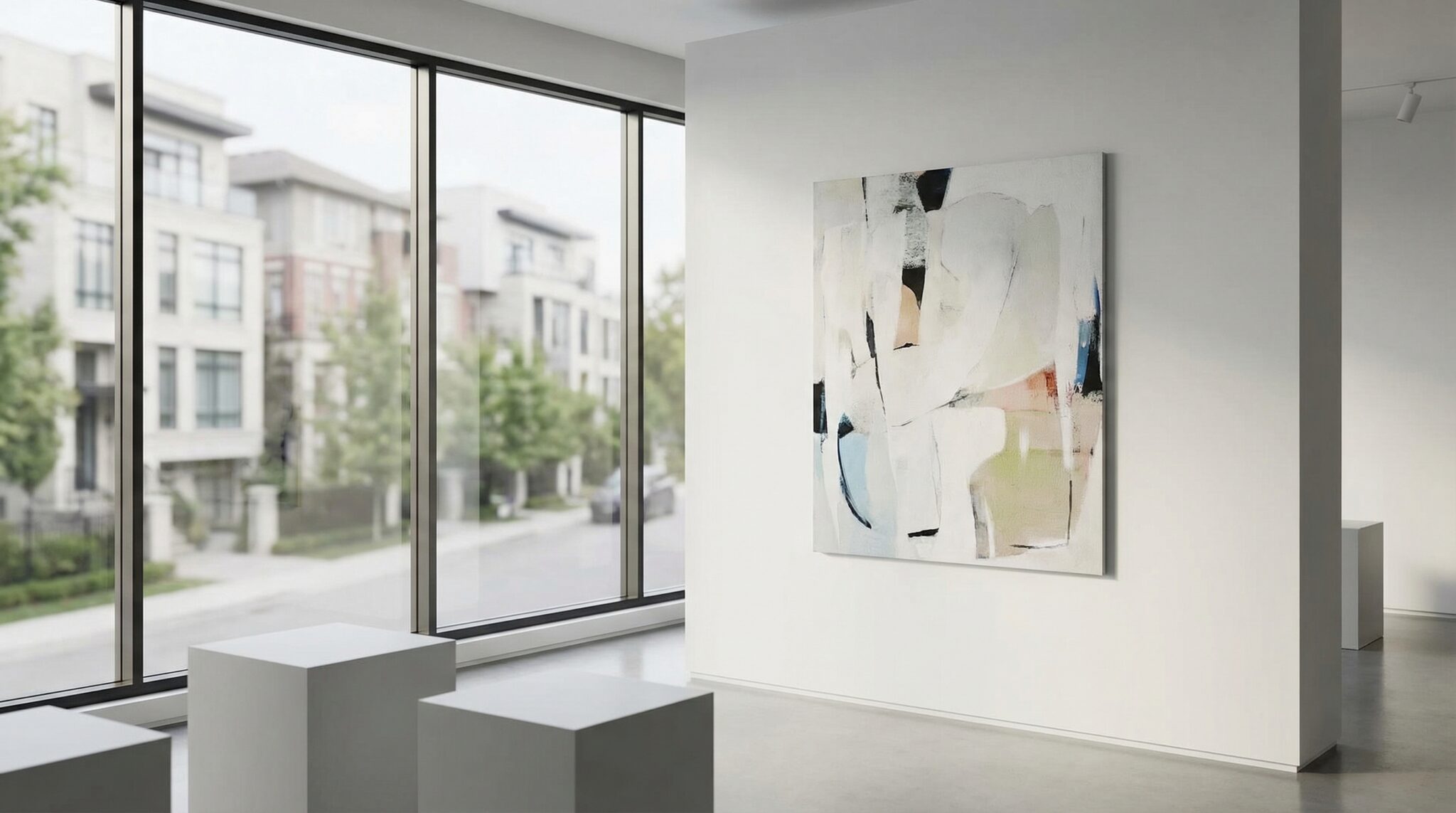

It’s a scenario I hear about from artists constantly. You finally land representation in a gallery situated right in the heart of a highly affluent, upscale metropolitan neighborhood. The zip code is practically dripping with disposable income.
Naturally, your expectations skyrocket. You think to yourself, “This is it. These are exactly the high-net-worth collectors who can afford my premium price points.”
Yet, months pass, and the sales reports are staggeringly quiet. The wealthy locals simply aren’t buying the art, leaving both you and the gallery owner scratching your heads.
I call this the Proximity Paradox. Just because a gallery is physically located right next to a wealthy demographic doesn’t mean those specific individuals are actually purchasing their artwork close to home.
1. The Myth of the Wealthy Zip Code
On paper, an urban gallery in a rich neighborhood looks like a guaranteed goldmine. We assume that proximity to wealth automatically translates to a high volume of local sales.
However, this assumption completely ignores the day-to-day psychology of the urban professional.
Consider the daily routine of these potential clients. They are business owners, doctors, and corporate executives running from meetings to appointments. “I need to grab my dry cleaning, call my lawyer, and make it to the office by nine,” they think as they rush past the gallery windows.
They simply don’t have the mental bandwidth or the leisure time required to stop, engage with fine art, and make a significant purchasing decision in the middle of their chaotic week.
2. The Vacation Buyer Phenomenon
So, if these high-net-worth individuals aren’t buying art in their own backyards, where are they buying it? The answer is almost always while they are traveling.
When that same busy executive takes a week off to visit Banff, Scottsdale, or Santa Fe, their entire psychological state shifts. They are relaxed, unhurried, and actively looking for enjoyable experiences.
“Let’s stroll downtown after lunch and see what’s in these galleries,” becomes their new daily itinerary.
When people are on vacation, they have the emotional space to fall in love with a painting. They also want a tangible, beautiful memory of their trip, making a high-ticket art purchase feel perfectly aligned with their getaway.
3. How to Evaluate a Gallery’s True Potential
What does this mean for you when you are researching your next 100 gallery targets? You have to look past the median income of the surrounding neighborhood.
When vetting a potential gallery location, consider the actual context of their foot traffic:
-
Tourist vs. Local Ratio: Is the gallery located in a destination city where visitors arrive with leisure time and relaxed wallets?
-
Pacing of the Street: Are people running past the gallery holding briefcases, or are they strolling by holding ice cream cones?
-
Gallery Sales Strategy: If the gallery relies heavily on local urban professionals, do they have a robust system for private evening events or corporate consulting to reach these buyers when they actually have time?
One Final Takeaway
Never let a gallery owner tell you that your prices are too high just because their wealthy local neighbors aren’t buying. If the art isn’t moving, it is rarely a strict pricing issue.
More often than not, it is a venue issue. The gallery might be trying to sell to a demographic that simply lacks the time to buy. Your job is to find the venues where collectors have both the means and the mindset to acquire your work.
What’s Your Experience With Gallery Locations?
Have you ever placed your work in a “wealthy” neighborhood only to hear crickets, or found surprising success in a vacation town? Share your location stories and demographic surprises in the comments below!