




Every so often, I find myself in a conversation with an artist who has just seen something—at a show, online, or even hanging in my gallery—and can’t quite believe it’s considered “art.” They’ll point to a piece and say, sometimes half-joking and sometimes genuinely troubled, “How does that count? How are they getting away with that?”
I understand the impulse. When you put tremendous discipline, skill, and intention into your own work, it can be baffling to watch someone else succeed with something that looks, at least on the surface, far simpler or looser than what you’re doing. And beneath that bafflement is a deeper worry: If that’s considered good, what does that say about my work? What does ‘good’ even mean anymore?
Those conversations always remind me how slippery the idea of “good art” really is. What resonates with one person may fall flat with another. What seems simplistic to one artist might feel profound to a viewer with different life experiences. And what feels unconventional—or even outrageous—today may be celebrated in time.
If anything, these moments are an invitation to step back from the idea that artistic value can be pinned to a single standard. It can’t. And the sooner we let go of the quest for an objective definition, the more freedom we have to create authentically and find the people who respond to what we do.
The Myth of an Objective Definition
The impulse to judge is human. We all do it. But art resists any attempt to turn judgment into a tidy equation.

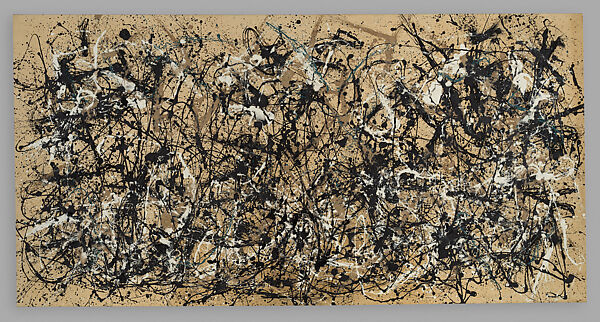
What makes one person pause in front of a quiet landscape might leave someone else cold. A photograph that feels deeply moving to one viewer might register as ordinary to another. Even artists—perhaps especially artists—project their own tastes and values onto the work they see, which makes it easy to believe there’s a clear hierarchy.
But when you strip away the emotional reaction, there’s simply no objective standard that can hold up in all contexts. If there were, we’d all be making the same kind of work—and the art world would be unbearably dull.
The diversity of response is the point.
Why History Undermines Any Stable Definition of “Good”

Every era has its story of work that was mocked, misunderstood, or dismissed—only to be lionized later. Movements now considered essential were once treated as affronts to tradition. Entire genres were accused of being unserious or lacking skill.
The work didn’t change.
The world changed around it.
This alone should make any artist wary of drawing a hard line between “good” and “not good.” So much depends on cultural shifts, emotional timing, personal history, and the willingness of viewers to meet a piece halfway. Today’s head-scratcher may become tomorrow’s watershed moment. And today’s comforting traditional work may speak with renewed power later on.
Judgment is often just a snapshot, not a verdict.
Your Real Job: Create Authentically and Find Your People
Because there’s no universal standard, chasing external validation is a losing game. Trying to guess what the market wants—or what a critic, gallery, or fellow artist will approve of—can easily push you away from the work that feels genuinely yours.
Your responsibility is simpler and harder: create from your point of view, with honesty and conviction.
When you do that consistently:
-
Your work gains cohesion and depth.
-
You stop measuring yourself against every passing trend.
-
You attract the viewers who naturally respond to what you do.
Not everyone will connect with your work. They’re not supposed to. But the people who do—those are the ones who form the foundation of your market and your long-term momentum. That’s where the real energy is.
How Context Deepens Connection: The Role of the Artist Statement
One of the best ways to bridge the gap between your intention and a viewer’s experience is through your artist statement.
A statement doesn’t explain the work away or tell people what to think. It simply opens the door. It gives viewers a way to orient themselves—why you chose this subject, what drew you to the idea, what emotion or question lives beneath the surface.
I’ve seen countless situations where a piece didn’t initially resonate with someone. Then they learned a bit about the artist’s process or motivation, and suddenly the work took on new weight. The emotional connection came into focus.
Your statement is part of the offering.
It helps people enter the work, not just look at it.
When they understand the world you’re coming from, they often realize the work is speaking to them in a way they didn’t catch at first glance. And that deepens both the experience and the likelihood of lasting connection.
A Better Question Than “Is This Good?”
If “good” is too slippery to be useful—and it is—try replacing it with:
-
Does this feel true to me?
-
Does this communicate something meaningful?
-
Will this resonate with someone who sees the world as I do?
Those questions lead to far more clarity and far less frustration.
Let other artists create what they create. Let other viewers respond how they respond. Let the marketplace sort itself out. Your job is to create work that reflects your vision—and then make it available to the people who will feel that spark of recognition when they encounter it.
That’s the real measure of success, and the one that actually builds a career.
What do you think?
How do you navigate your own ideas about what makes art “good”? Have you ever caught yourself surprised by something that resonated with a viewer—or something that didn’t? I’d love to hear your thoughts in the comments.