


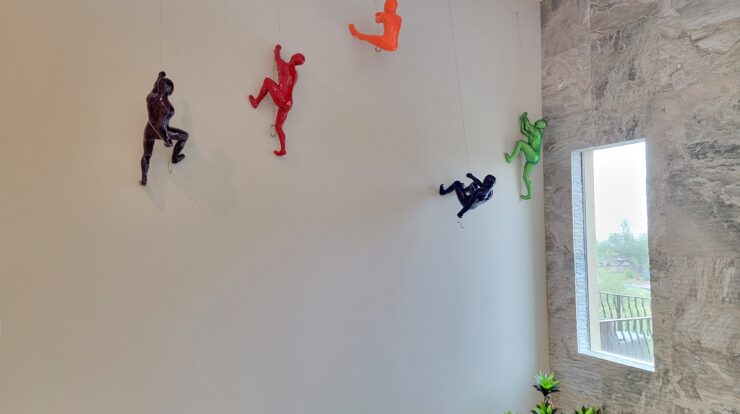

Radio silence from a collector doesn’t mean a sale is dead. To succeed in the art business, you must train yourself to view initial silence not as a rejection, but as the starting line for your follow-up strategy.
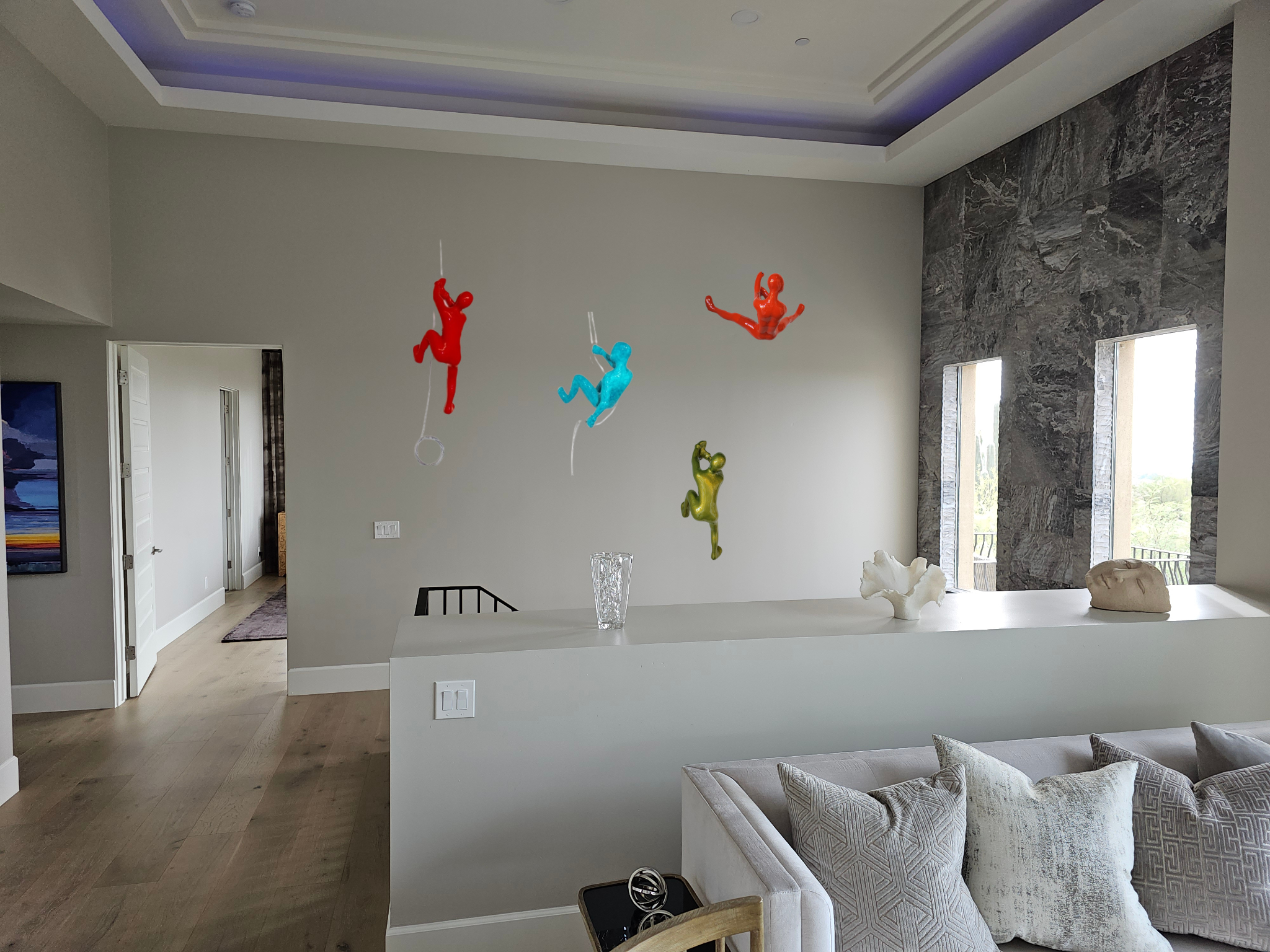
I recently experienced this firsthand. A client contacted me expressing interest in a series of large climbing figures. We had an initial phone call, and I followed up via email with a Photoshop mockup showing exactly what the pieces would look like in their specific space. Then, I didn’t hear back. It would have been incredibly easy to write off the lead and move on.
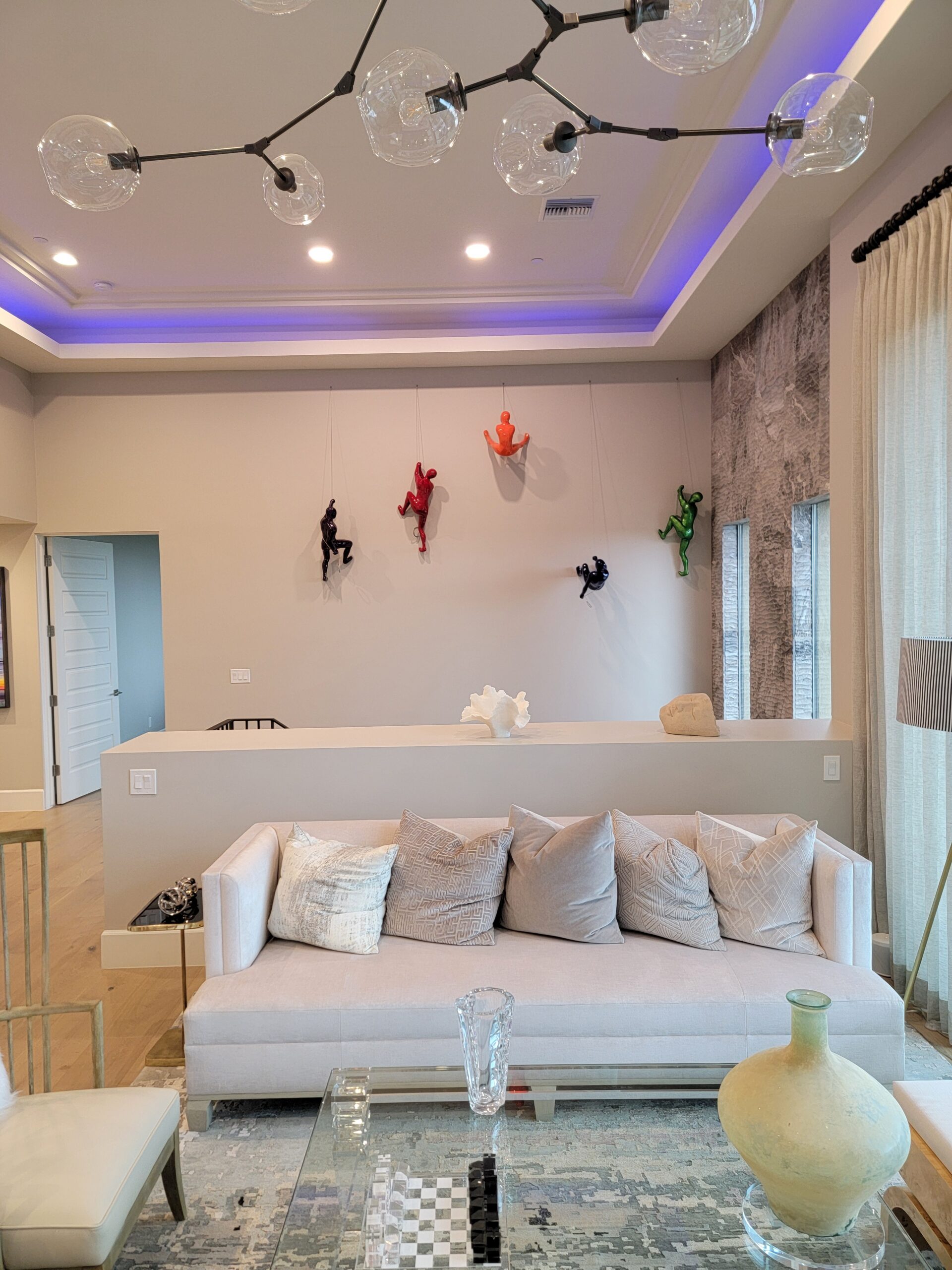
Instead, I kept checking in. Finally, after consistent follow-up, the client came into the gallery and purchased five of those climbing figures for a total of $12,200.

1. The Psychology of Radio Silence
When a buyer goes dark, it is almost never a judgment on the quality of your art. Collectors are busy people with demanding lives. They open your email while walking into a meeting, think, I love this piece, I need to measure the wall when I get home, and then life immediately gets in the way.
If you internalize their silence as rejection, you are projecting your own anxieties onto their busy schedule. Your job is to stay on their radar so that when they finally have a quiet moment, your artwork is front and center.
2. The Art of the Value-Add Follow-Up
There is a massive difference between blindly pestering someone and strategically nurturing a lead. Every time you reach out, you should aim to bring something useful to the table.
- Provide visual proof: Do not just ask if they are still interested. I took the time to Photoshop the climbing figures directly into the photos of their home. Seeing the work in context removes a massive psychological barrier for the buyer.
- Pace your persistence: This particular sale took some time to close. Space your emails out logically. Give them a few days after the initial proposal, then a week, then a couple of weeks.
- Keep it professional: Never let frustration bleed into your tone. Treat every message as a helpful, cheerful check-in.
3. Pushing Past the Fear of Pestering
I constantly watch artists walk away from major sales because they are terrified of being perceived as annoying. You have to separate your personal feelings from your professional operations.
Following up is not pestering; it is providing excellent customer service. If a gallery owner or an artist fails to follow up with me when I show interest in something, I assume they don’t value my business. By consistently reaching out, you signal to the collector that you are a serious professional who stands behind their work.
One Final Takeaway
Major sales are rarely closed on the first interaction. Whether you are selling a five-figure installation to a private collector or simply trying to get a gallerist to review your portfolio, your persistence is just as important as your talent. Put a system in place, follow up relentlessly, and let the buyer be the one to finally say no.
What’s Your Follow-Up Strategy?
How many times do you typically reach out to a prospective buyer before you consider the lead dead? Share your longest follow-up success story in the comments below.
(feature image contains Wall Climbers by Ancizar Marin)